
iPhone Ultra: The foldable iPhone’s market launch will be staggered.
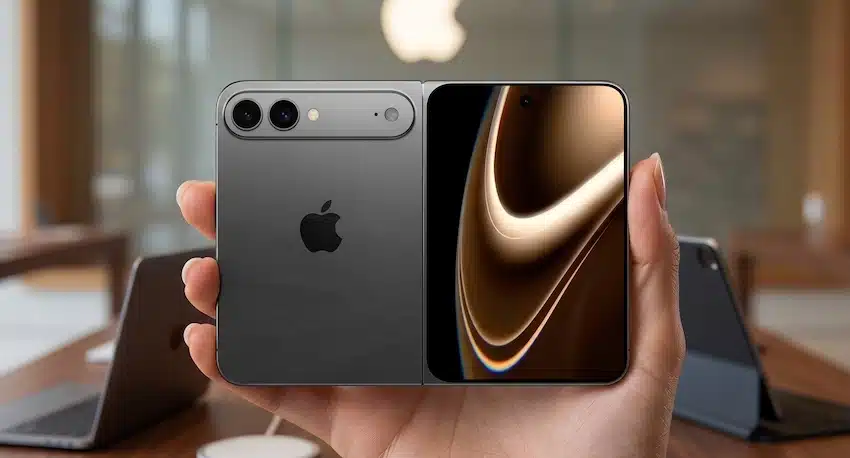
The device will initially only be available in the USA, with other markets to follow over two to three months.
According to recent reports, Apple is planning a staggered sales launch for its first foldable smartphone.
The device, expected to be called the iPhone Ultra, will not be available worldwide immediately, but will be launched country by country over several months. The initial market launch will therefore be reserved for the USA.
Gradual rollout after US debut
According to MacRumors , as reported by the Australian portal ChannelNews, Apple’s foldable iPhone will not be available in all regions at the same time as the iPhone 18 Pro lineup in September, according to local network operators and a major retailer. Following its launch in the US, other key markets are expected to follow over a period of two to three months.
The reasons given for the delay include supply chain issues and pricing challenges. Furthermore, according to insider reports, there are still testing problems with production models that have already been manufactured.
This partially aligns with the assessments of analyst Ming-Chi Kuo from July: According to him, Apple will indeed present the iPhone Ultra together with the iPhone 18 Pro and iPhone 18 Pro Max, but will only open the pre-order phase at a later date.
Parallels to the market launch of the Apple Vision Pro
The planned strategy is reminiscent of the Apple Vision Pro launch. The headset was initially released exclusively in the US in February 2024. Markets like China, Hong Kong, Japan, and Singapore followed in June, before Germany, France, the UK, Canada, and Australia were served a month later.
The decisive factors for the gradual expansion at that time were low production volumes and the introduction of a completely new product category.
A similar approach is expected for the foldable iPhone Ultra, which is expected to start at around $2,000. Despite the high starting price, Kuo predicts worldwide sales of seven to eight million units in the first year.
 m/ben23